
Robot Vacuum Cleaners 2025: Comparing the Best Models for Smart Homes

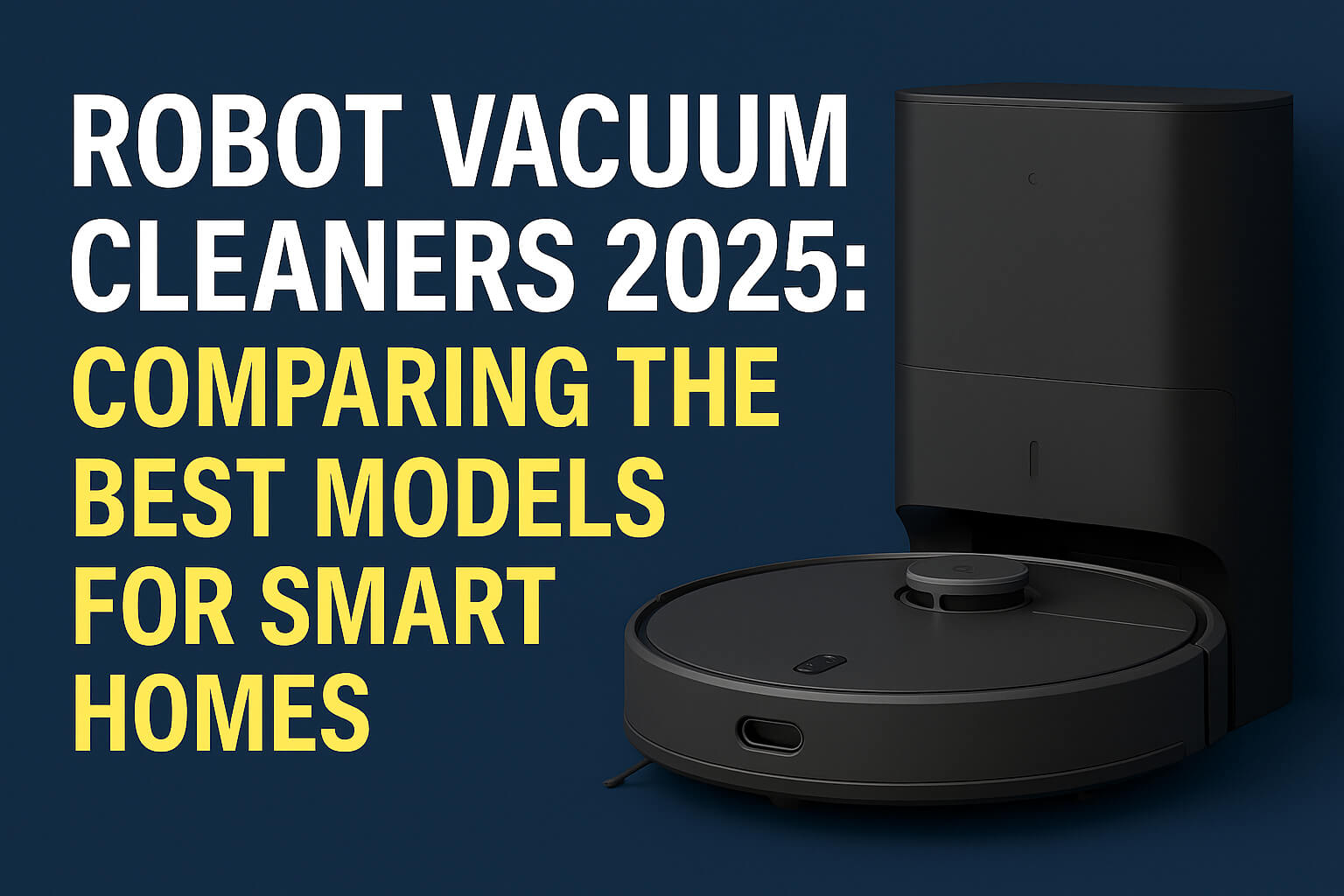
Robot vacuum cleaners have quickly moved from luxury gadgets to household essentials. With smarter sensors, AI mapping, self-emptying bases, and even mop functions, the models of 2025 are designed to save time and keep homes spotless with minimal effort. But with so many options on the market, choosing the right one can feel overwhelming. Some prioritize affordability, while others focus on advanced features like LiDAR navigation or integration with voice assistants. In this professional comparison, we break down the top robot vacuum categories of 2025, analyzing features, performance, and value to help you decide which model fits your lifestyle and budget.
Understanding the Key Features in 2025
Before comparing models, it is important to understand the latest features shaping this product category:
- Smart Mapping: Most 2025 models use LiDAR or AI vision systems to create accurate room maps.
- Self-Emptying Bins: Premium models can automatically empty dust into a larger base, reducing maintenance.
- Mopping Functions: Many hybrid models now vacuum and mop simultaneously.
- AI Obstacle Detection: Cameras and sensors identify objects like shoes, cables, or pet waste.
- Voice and App Control: Integration with Alexa, Google Assistant, and proprietary apps is standard.
- Battery and Runtime: Ranges from 90 minutes in budget models to over 200 minutes in premium ones.
Best Robot Vacuums by Category
1. Budget-Friendly Models: Affordable Daily Cleaning
For households that want simple automated cleaning without spending too much, budget models deliver basic vacuuming with decent suction power.
- Key Features: Scheduled cleaning, app control, basic sensors to avoid walls and stairs
- Pros: Affordable, easy to use, compact design
- Cons: Limited suction on carpets, smaller dustbins, no advanced mapping
- Best For: Apartments, small homes, first-time robot vacuum buyers
Example features in this category (2025):
- 2000 to 2500Pa suction power
- 90 to 120 minutes runtime
- Basic app scheduling
- Manual emptying
2. Mid-Range Models: Balance of Performance and Price
Mid-range options are where most buyers find the sweet spot. These vacuums include advanced mapping, stronger suction, and often mop functionality.
- Key Features: LiDAR or camera-based navigation, multi-room mapping, stronger suction, app customization
- Pros: Handles pet hair well, effective on carpets and hardwood, smart routing
- Cons: Smaller water tanks for mopping, may require frequent bin emptying
- Best For: Families, pet owners, homes with multiple rooms
Example features in this category (2025):
- 3000 to 4000Pa suction power
- 150 to 180 minutes runtime
- App-controlled room zoning
- Vacuum plus mop combo
- Some models support voice control
3. Premium and Flagship Models: The Smart Home Powerhouses
Premium models represent the peak of innovation in 2025. They are fully automated, powerful, and designed for large households.
- Key Features: AI-powered obstacle recognition, automatic dustbin emptying, self-cleaning mop pads, integration with smart home systems
- Pros: Minimal human involvement, long battery life, high suction power, smart room customization
- Cons: Expensive, larger docking stations, higher maintenance cost
- Best For: Large homes, tech enthusiasts, households that want hands-off cleaning
Example features in this category (2025):
- 5000 to 7000Pa suction power
- Over 200 minutes runtime
- Automatic self-empty and self-wash docking stations
- AI obstacle avoidance with cameras and 3D mapping
- Multi-floor mapping for large houses
Trends and Insights for 2025
AI and machine learning are making the biggest impact, with premium vacuums recognizing and avoiding objects like pet messes or fragile items with near-human accuracy. Eco-friendly designs are also on the rise, with reusable mop pads, washable filters, and energy-efficient motors becoming more common. All-in-one docking stations are evolving to not only charge the vacuum but also empty dustbins, wash mop pads, and refill water tanks automatically. Apps are offering more customization, letting users assign cleaning intensities and schedules for each room. Noise reduction is another growing trend, appealing to families with children or pets.
Mistakes to Avoid When Buying a Robot Vacuum
- Ignoring suction power, since weaker models may struggle with carpets
- Overlooking maintenance costs, especially for models with disposable bags and filters
- Choosing unnecessary features that increase the price but add little value to your lifestyle
- Skipping warranty and customer support, which are essential for advanced devices
Conclusion
Robot vacuum cleaners in 2025 are smarter, stronger, and more versatile than ever. Whether you want an affordable daily helper, a balanced mid-range performer, or a premium flagship with full automation, there is a model for every type of household. By understanding your space, lifestyle, and budget, you can invest in a robot vacuum that saves time, energy, and effort for years to come.
For exploring robot vacuums and related smart home accessories, visit Comeshopy.com.